Top 10 RV Destinations for 2026
RV lyfe in 2026 is all about freedom, flexibility, and unforgettable destinations. Whether you’re planning a full-time adventure or a few epic road trips, these are the top 10 RV destinations for 2026 based on scenery, accessibility, campground quality, and overall RV-friendliness.
This guide is built for real RV travelers — with campground tips, must-see stops, and gear recommendations to make your journey smoother.
1. Moab, Utah
Why Moab Ranks #1 for RV Lyfe in 2026
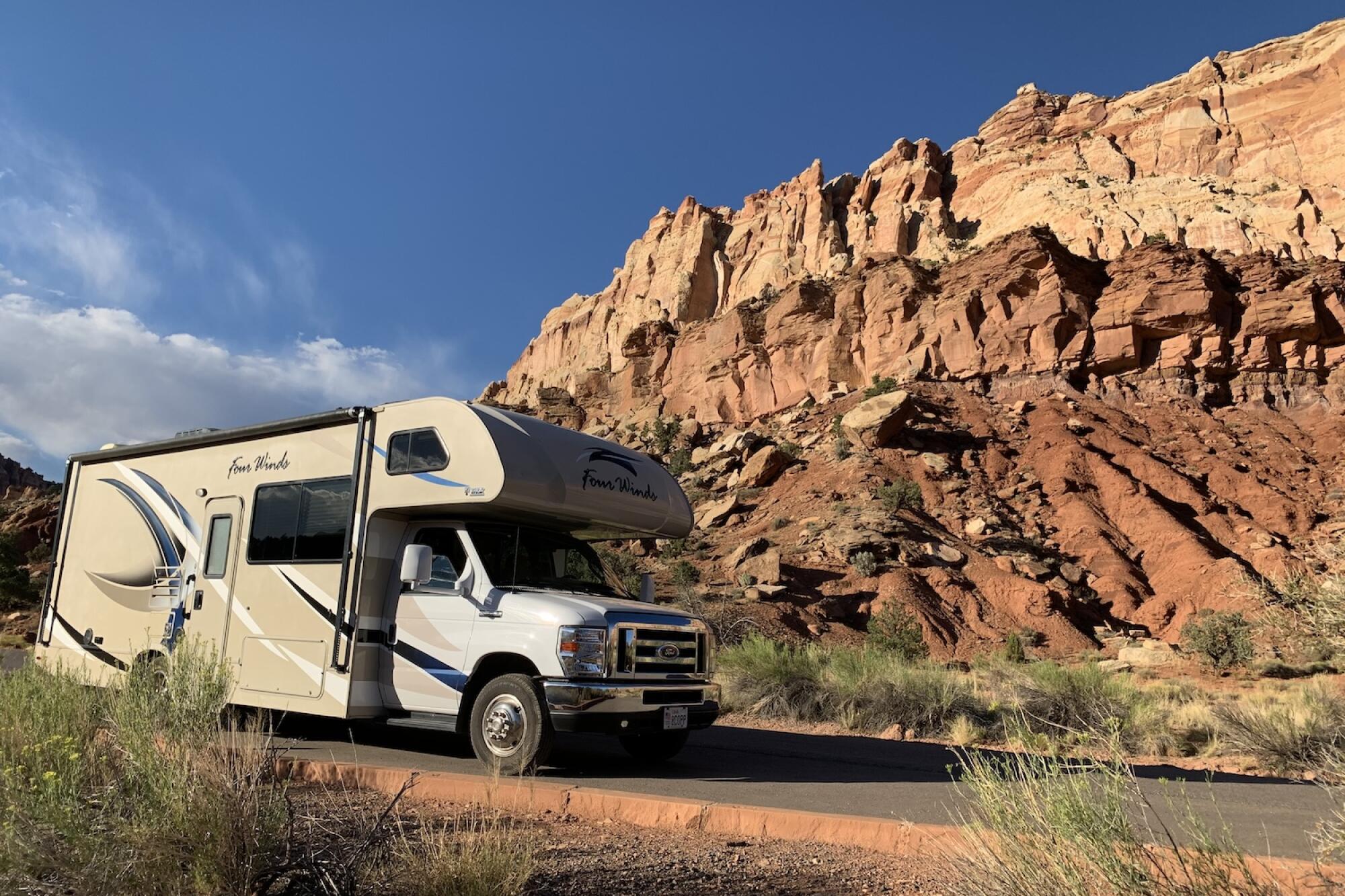
Moab earns the #1 spot on our 2026 list because it delivers the perfect balance of iconic scenery, RV accessibility, outdoor adventure, and year-round appeal…
Why RVers Love It:
- Large, RV-accessible campgrounds and boondocking areas
- World-class hiking, mountain biking, and off-road trails
- Jaw-dropping red rock scenery in every direction
- Easy access to national parks, rivers, and scenic drives
- A welcoming RV community with strong infrastructure
Where to Stay (Top RV-Friendly Options)
- Portal RV Resort – Premium RV resort close to Arches with full hookups, pool, and modern amenities.
- Moab Valley RV Resort & Campground – Well-maintained campground with easy access to town, trails, and scenic drives.
- Dead Horse Point State Park Campground – Elevated desert camping with sweeping canyon views — ideal for quieter stays.
- Canyonlands RV Park – Centrally located, walkable to downtown Moab, and great for shorter stays.
- BLM Dispersed Camping (Willow Springs Road) – Favorite among boondockers looking for free camping with epic sunrise views.
Best Time to Visit Moab by RV
- Spring (March–May): Ideal weather, wildflowers, and fewer crowds
- Fall (September–October): Cool temps and peak hiking season
- Summer: Hot, but manageable with early mornings and shaded camps
- Winter: Quiet, scenic, and underrated for experienced RVers
Pro RV Lyfe Tip
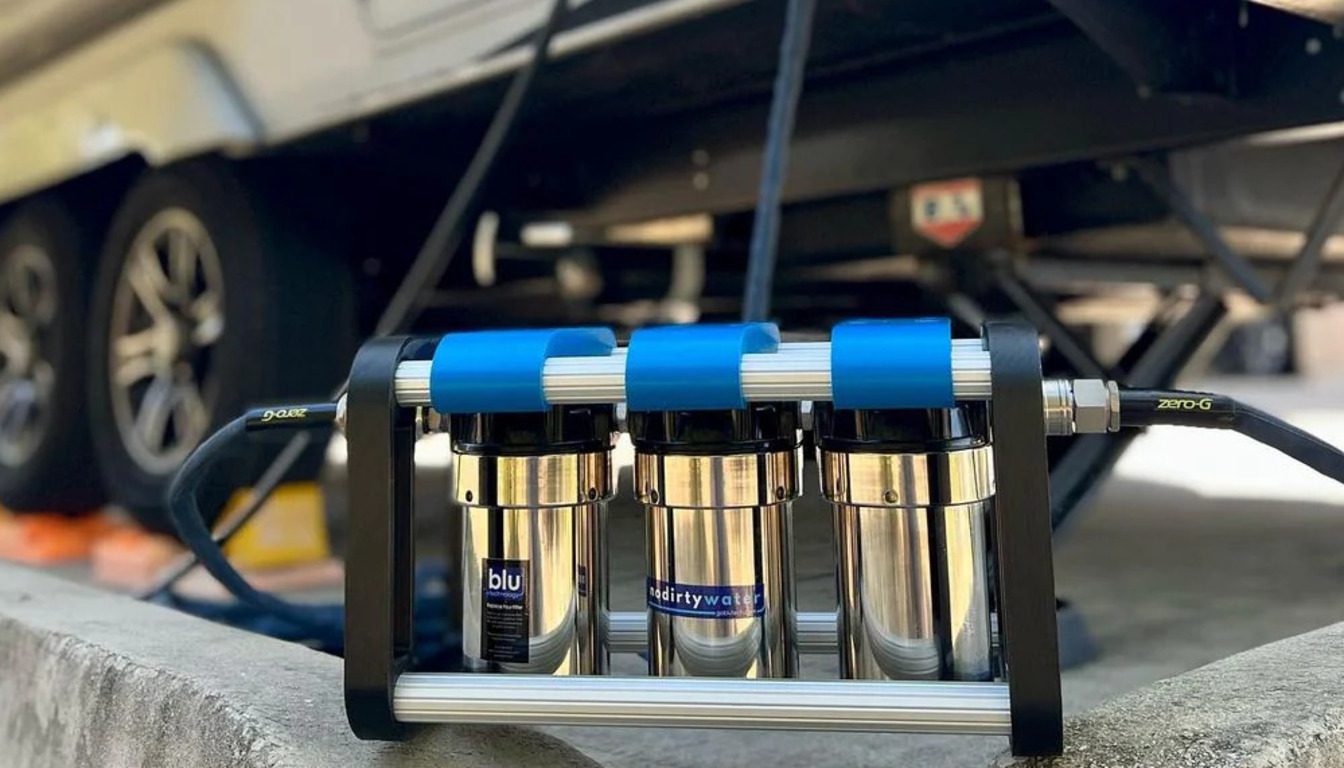
Moab is one of those destinations where water management matters. Make sure your RV’s water system is dialed in before heading into the desert. especially if you plan to boondock or explore remote areas.
2. Glacier National Park, Montana
Why Glacier National Park Ranks #2 for RV Lyfe in 2026
Glacier National Park lands the #2 spot because it offers some of the most dramatic alpine scenery in the U.S., combined with excellent RV accessibility and year-round outdoor opportunities. The park’s jagged peaks, pristine lakes, and lush valleys make it a must-visit for RV travelers seeking both adventure and tranquility.
Unlike other parks, Glacier has a mix of fully equipped campgrounds and backcountry options, meaning you can tailor your RV trip for comfort or rugged experience. The sheer variety of activities, from scenic drives to wildlife spotting, ensures that every visit feels unique.
Why RVers Love It:
- RV-friendly campgrounds with full and partial hookups
- Scenic drives like Going-to-the-Sun Road for epic views
- Abundant hiking, fishing, boating, and wildlife opportunities
- Less crowded in early spring and late fall compared to other national parks
- Strong sense of community among RVers and nature enthusiasts
Where to Stay (Top RV-Friendly Options)
- Apgar Campground – Close to Lake McDonald with full hookups and easy access to park trails.
- Many Glacier Campground – Stunning alpine views and a great base for wildlife watching and hiking.
- St. Mary Campground – Convenient for Going-to-the-Sun Road and access to the east side of the park.
- Fish Creek Campground – Located in the southern part of the park with lake access and RV-friendly sites.
- BLM Dispersed Camping near West Glacier – For boondockers seeking free, scenic camping close to the park.
Best Time to Visit Glacier National Park by RV
- Summer (June–August): Peak season with open roads, warm weather, and full services
- Spring (May–June): Snow may linger, but wildflowers bloom and crowds are lighter
- Fall (September–October): Gorgeous fall colors, quieter trails, and wildlife activity
- Winter (November–March): Limited access, but ideal for experienced RVers seeking solitude and snow-covered vistas
Pro RV Lyfe Tip
Glacier’s roads can be narrow and winding, so plan your route carefully if you have a large RV. Booking campgrounds early is critical in summer, as sites fill quickly. Always check road and weather conditions, particularly for Going-to-the-Sun Road, before setting out.
3. Sedona, Arizona
Why Sedona Ranks #3 for RV Lyfe in 2026
Sedona earns the #3 spot thanks to its iconic red rock landscapes, vibrant arts scene, and abundant outdoor activities — all accessible for RV travelers. The combination of scenic drives, hiking trails, and energy vortex sites makes Sedona a destination where relaxation and adventure coexist.
Its compact layout allows RVers to easily explore the area while staying in nearby campgrounds or RV resorts. Sedona’s mild weather, stunning sunsets, and welcoming community make it a perfect year-round spot for both short trips and extended stays.
Why RVers Love It:
- RV-friendly resorts and campgrounds with full hookups
- Scenic trails and red rock formations for hiking, biking, and photography
- Proximity to Oak Creek Canyon and Verde Valley for outdoor adventure
- Art galleries, local shops, and a thriving culinary scene
- Warm, sunny climate with mild winters for year-round RV travel
Where to Stay (Top RV-Friendly Options)
- Rancho Sedona RV Park – Full-service RV resort near downtown Sedona with stunning views of Cathedral Rock.
- Dead Horse Ranch State Park – Family-friendly campground with easy access to hiking, fishing, and Verde River activities.
- Red Rock State Park Campground – Nature-focused camping close to trails and scenic viewpoints.
- Crescent Moon Ranch RV Park – Small, peaceful campground along Oak Creek with shaded sites.
- BLM Dispersed Camping near Sedona – Free camping options with great red rock views for self-sufficient RVers.
Best Time to Visit Sedona by RV
- Spring (March–May): Wildflowers, pleasant temperatures, and clear skies
- Fall (September–November): Cooler temps, colorful foliage, and hiking-friendly weather
- Summer (June–August): Hot days but manageable with shaded RV sites and early morning activities
- Winter (December–February): Mild, quiet, and ideal for extended RV stays
Pro RV Lyfe Tip
Sedona’s red rock terrain is beautiful but can be rough on tires and undercarriages. Choose campgrounds with level sites and check local weather alerts for flash floods in the canyons. Early reservations are recommended, especially in spring and fall.
4. Pacific Coast Highway, California
Why the Pacific Coast Highway Ranks #4 for RV Lyfe in 2026
The Pacific Coast Highway (PCH) is a legendary route that offers one of the most scenic drives in the world, making it a must-visit for RV travelers. Stretching from Southern California to Northern California, the PCH combines dramatic coastal cliffs, quaint seaside towns, and endless ocean views. Its accessibility for RVs and variety of attractions make it perfect for both weekend trips and extended adventures.
Driving the PCH allows RVers to experience everything from iconic Big Sur vistas to charming towns like Santa Barbara, Monterey, and Carmel-by-the-Sea. With numerous campgrounds and RV parks along the way, it’s easy to mix scenic driving with outdoor activities, wine tasting, beach walks, and hiking in state parks.
Why RVers Love It:
- RV-accessible routes with numerous campgrounds and state parks
- Breathtaking coastal scenery at every turn
- Opportunities for whale watching, surfing, and beachside hikes
- Quaint coastal towns with dining, shopping, and arts experiences
- Flexible trip planning: stop anywhere along the route for short or long stays
Where to Stay (Top RV-Friendly Options)
- Big Sur Campground & Cabins – Iconic coastal views with shaded RV sites near Big Sur attractions.
- Ventura Ranch KOA – Conveniently located with full hookups, easy beach access, and family-friendly amenities.
- Monterey Fairgrounds RV Park – Centrally located near Monterey, Carmel, and Cannery Row with full-service RV sites.
- Pfeiffer Big Sur State Park Campground – Forested camping with trails, river access, and proximity to Big Sur’s coast.
- BLM/Dispersed Coastal Camping – Free boondocking options along certain PCH stretches for experienced RVers with self-contained rigs.
Best Time to Visit the Pacific Coast Highway by RV
- Spring (March–May): Mild weather, blooming wildflowers, and less crowded stops
- Summer (June–August): Busy season, cooler coastal temps, ideal for long drives
- Fall (September–October): Fewer crowds, clear skies, and excellent hiking conditions
- Winter (November–February): Quiet roads, peaceful campgrounds, but possible rain and fog in northern sections
Pro RV Lyfe Tip
The PCH features narrow, winding roads and steep cliffs in certain areas, particularly around Big Sur. Large RVs should plan carefully, check route clearances, and consider shorter driving segments each day. Reservations at popular campgrounds are essential during peak season.
5. Yellowstone National Park, Wyoming
Why Yellowstone Ranks #5 for RV Lyfe in 2026
Yellowstone is America’s first national park and a natural wonder that every RV traveler dreams of visiting. Its combination of geothermal features, abundant wildlife, and expansive landscapes makes it an unforgettable RV destination. Yellowstone balances adventure with accessibility, offering multiple campgrounds and RV-friendly routes throughout the park.
From geysers like Old Faithful to colorful hot springs and scenic drives through valleys and canyons, Yellowstone offers a variety of experiences for all types of RVers. Wildlife sightings — including bison, elk, and even bears — make it feel like you’re truly immersed in untamed wilderness, yet safe infrastructure ensures a comfortable RV experience.
Why RVers Love It:
- RV-accessible campgrounds with full or partial hookups
- World-famous geothermal features and scenic drives
- Opportunities for wildlife viewing and photography
- Hiking, fishing, and outdoor adventure at every turn
- Proximity to nearby towns like West Yellowstone and Gardiner for supplies
Where to Stay (Top RV-Friendly Options)
- Madison Campground – Central location, large RV sites, near major park attractions.
- Canyon Campground – Surrounded by stunning canyon scenery, convenient for short hikes and geysers.
- Grant Village Campground – Full-hookup RV sites near Yellowstone Lake with easy access to trails.
- West Yellowstone KOA – Just outside the park, full amenities, convenient for entering from the west gate.
- Boondocking at Gallatin National Forest – Free dispersed camping nearby for self-contained RVers seeking seclusion.
Best Time to Visit Yellowstone by RV
- Spring (April–June): Snow may linger, but wildlife and waterfalls are at their peak
- Summer (July–August): Best weather, full access, but expect crowds and early reservations required
- Fall (September–October): Cooler temps, stunning fall foliage, fewer crowds
- Winter (November–March): Limited RV access, but perfect for experienced travelers seeking solitude and snow-covered landscapes
Pro RV Lyfe Tip
Yellowstone is massive and busy in summer, so plan your daily routes and campground reservations in advance. Keep your RV stocked with supplies, as services inside the park are limited and may require long drives. Always follow wildlife safety rules — they’re critical for you and the animals.
6. Grand Canyon National Park, Arizona
Why Grand Canyon Ranks #6 for RV Lyfe in 2026
The Grand Canyon is an iconic American landscape that draws RV travelers from around the world. With its vast, colorful vistas, endless hiking opportunities, and nearby RV-friendly amenities, it’s a must-see destination for those seeking both adventure and convenience.
RVers can explore the South Rim for breathtaking viewpoints, the quieter North Rim for solitude, and nearby desert trails for off-the-beaten-path adventures. The combination of natural beauty, wildlife, and well-managed campgrounds makes the Grand Canyon ideal for a memorable RV trip.
Why RVers Love It:
- RV-accessible campgrounds with scenic canyon views
- Proximity to hiking trails, scenic drives, and visitor centers
- Opportunities for photography, wildlife viewing, and stargazing
- Multiple access points for flexibility in route planning
- Nearby towns like Tusayan and Williams for supplies and amenities
Where to Stay (Top RV-Friendly Options)
- Mather Campground (South Rim) – Centrally located, full amenities, easy access to viewpoints
- Trailer Village RV Park – Full hookups, near the South Rim Visitor Center
- North Rim Campground – Quiet, fewer crowds, ideal for a more secluded experience
- Desert View Campground – Scenic views of the canyon, closer to eastern access points
- Kaibab National Forest Boondocking – Free dispersed camping options nearby for self-contained RVs
Best Time to Visit Grand Canyon by RV
- Spring (March–May): Mild temperatures, fewer crowds, wildflowers in bloom
- Summer (June–August): Busy season, warm weather, great for South Rim trails
- Fall (September–October): Cooler temps, beautiful fall colors, less crowded
- Winter (November–February): Snow at the rims, fewer visitors, perfect for experienced RVers
Pro RV Lyfe Tip
Reservations are essential during peak seasons, especially for RV sites. If you plan to boondock or explore remote areas, make sure your RV is well-stocked with water and supplies, as services are limited inside the park.
7. Florida Keys, Florida
Why the Florida Keys Ranks #7 for RV Lyfe in 2026
The Florida Keys are a tropical paradise for RVers looking for sun, water, and unique roadside adventures. Stretching over 100 miles of connected islands, the Keys offer easy driving routes, oceanfront campgrounds, and endless opportunities for fishing, snorkeling, and kayaking. The laid-back vibe combined with accessible RV infrastructure makes this a top destination for both weekend trips and extended stays.
From Key Largo to Key West, each island has its own character. You can enjoy morning dives in crystal-clear waters, afternoon bike rides along the Overseas Highway, and evenings watching the sunset over the Gulf of Mexico — all without ever leaving your RV.
Why RVers Love It:
- Oceanfront RV parks with full hookups
- Access to world-class fishing, boating, and water sports
- Scenic drives along the Overseas Highway
- Unique island culture, food, and nightlife
- Year-round warm weather for winter escapes
Where to Stay (Top RV-Friendly Options)
- John Pennekamp Coral Reef State Park (Key Largo) – Oceanfront, snorkeling, diving, full hookups
- Boyd’s Key West Campground – Family-friendly, full amenities, close to Key West attractions
- Big Pine Key Campground – Quiet island camping with access to nature trails
- Bahia Honda State Park – Stunning beaches, RV sites with ocean views
- Geiger Key Marina & RV Park – Private waterfront park with boating and fishing access
Best Time to Visit the Florida Keys by RV
- Winter (December–February): Peak season, pleasant temps, ideal for escaping cold climates
- Spring (March–May): Warm, sunny, fewer crowds, great for water activities
- Summer (June–August): Hot and humid, but perfect for swimming and snorkeling
- Fall (September–November): Hurricane season — check forecasts, lower crowds and rates
Pro RV Lyfe Tip
Space is limited on the islands, so book your RV spots early. If you plan to explore off-the-beaten-path keys, make sure your fuel and water tanks are full, as services can be sparse between islands.
8. Blue Ridge Parkway, North Carolina
Why Blue Ridge Parkway Ranks #8 for RV Lyfe in 2026
The Blue Ridge Parkway is a scenic wonder winding through the Appalachian Mountains, offering RV travelers a mix of stunning overlooks, charming small towns, and endless outdoor adventure. Known as “America’s Favorite Drive,” this route is perfect for those who want to combine road-tripping with hiking, biking, and wildlife spotting. The gentle curves and plentiful pull-offs make it accessible to RVs of all sizes.
Along the Parkway, RVers can explore mountain trails in the morning, enjoy local cuisine in the afternoon, and settle in at serene campgrounds for sunset views over the Blue Ridge Mountains. It’s a destination where nature, culture, and convenience meet.
Why RVers Love It:
- Scenic drives with numerous overlooks and photo spots
- Plentiful hiking trails, waterfalls, and wildlife viewing
- Charming small towns and artisan stops along the way
- Campgrounds nestled in mountains, forests, and rivers
- Accessible for RVs of all sizes with gentle road grades
Where to Stay (Top RV-Friendly Options)
- Mile High Campground (near Asheville) – Spacious sites, full hookups, mountain views
- Linville Falls Campground – Close to trails, scenic waterfalls, family-friendly
- Julian Price Campground – Lakeside sites with hiking and boating access
- Rocky Knob Campground – Quiet, forested spots with long-range mountain views
- Humpback Rocks Campground – Small, peaceful, great for short stays along the parkway
Best Time to Visit Blue Ridge Parkway by RV
- Spring (March–May): Blooming wildflowers, mild weather, fewer crowds
- Summer (June–August): Warm temperatures, perfect for hiking and waterfalls
- Fall (September–November): Famous fall foliage, cool mornings, vibrant landscapes
- Winter (December–February): Quieter roads, occasional snow, serene mountain views
Pro RV Lyfe Tip
The Parkway has many scenic overlooks and limited cell service. Plan your stops ahead, fill your tanks, and carry extra supplies — especially if you’re boondocking or exploring less-populated stretches.
9. Colorado Rockies, Colorado
Why Colorado Rockies Ranks #9 for RV Lyfe in 2026
The Colorado Rockies are the ultimate playground for RV adventurers seeking dramatic mountain scenery, alpine lakes, and endless outdoor activities. Stretching across the state, the Rockies provide a mix of challenging trails, relaxing drives, and charming mountain towns. For RVers, this destination blends adventure and convenience like few others.
From hiking and mountain biking in the summer to skiing and snowshoeing in the winter, the Rockies cater to every season. Scenic byways like Trail Ridge Road and the Peak to Peak Highway make RV travel a dream, with breathtaking overlooks at every turn.
Why RVers Love It:
- Stunning alpine scenery, lakes, and waterfalls
- Wide variety of outdoor recreation year-round
- Charming mountain towns with shops, restaurants, and local culture
- Scenic byways with RV-accessible pull-offs
- Plentiful campgrounds and dispersed camping options
Where to Stay (Top RV-Friendly Options)
- Estes Park Campground – Close to Rocky Mountain National Park, full hookups
- Glenwood Canyon Resort – Beautiful riverfront sites, easy access to trails
- Breckenridge RV Park – Mountain town convenience with scenic views
- Mount Princeton Hot Springs Campground – Relaxing hot springs and mountain vistas
- Dispersed Camping near San Juan Mountains – Free, remote, and perfect for adventure seekers
Best Time to Visit Colorado Rockies by RV
- Spring (April–June): Melting snow, wildflowers, fewer crowds
- Summer (July–September): Warm days, ideal hiking, biking, and scenic drives
- Fall (October): Stunning fall foliage, crisp mountain air
- Winter (December–March): Ski resorts, snowshoeing, and winter landscapes
Pro RV Lyfe Tip
Mountain roads can be steep and narrow — make sure your RV is properly equipped for altitude and tight curves. Check weather conditions before heading into higher elevations, especially if traveling in winter.
10. Texas Hill Country, Texas
Why Texas Hill Country Ranks #10 for RV Lyfe in 2026
Texas Hill Country offers a mix of rolling hills, charming small towns, wineries, and outdoor adventures, making it a favorite for RV travelers who want scenic drives, relaxation, and culture all in one. The region’s mild climate and welcoming communities create a perfect RV-friendly environment.
With rivers, lakes, and trails weaving through the area, Hill Country is ideal for both leisurely exploration and active outdoor recreation. The blend of historic towns, BBQ joints, and natural beauty ensures there’s always something to see or do for every type of traveler.
Why RVers Love It:
- Scenic rolling hills, rivers, and limestone cliffs
- Abundance of wineries, breweries, and local cuisine
- Friendly, small-town communities with RV amenities
- Outdoor recreation including hiking, kayaking, and birdwatching
- Plentiful RV parks, resorts, and dispersed camping options
Where to Stay (Top RV-Friendly Options)
- Guadalupe River RV Resort – Riverside camping with full hookups and pool
- Pedernales Falls State Park Campground – Stunning waterfalls and hiking trails
- Hill Country RV Resort – Spacious sites and modern amenities
- Lake Buchanan Campgrounds – Perfect for fishing, boating, and lake views
- Dispersed Camping near Enchanted Rock – Remote camping with unique rock formations
Best Time to Visit Texas Hill Country by RV
- Spring (March–May): Bluebonnets, wildflowers, and mild weather
- Summer (June–August): Hot, but rivers and lakes offer refreshing escapes
- Fall (September–November): Cooler temps, harvest festivals, and scenic drives
- Winter (December–February): Mild and quiet, perfect for exploring small towns
Pro RV Lyfe Tip
Some of the hill country roads are narrow and winding — plan your routes in advance and check for low-clearance bridges if driving a larger RV. Early reservations are recommended in spring during wildflower season.
Planning Your RV Trip for 2026
Before hitting the road, make sure you’re prepared:
- ✔️ Review your RV Living Checklist
- ✔️ Inspect your RV water and power systems
- ✔️ Pack gear suited for your destination
If you don’t own an RV yet, many travelers explore these destinations by renting one.
Final Thoughts
The best part of RV lyfe is that every year brings new adventures. These top 10 RV destinations for 2026 offer something for every travel style — from beach lovers to mountain explorers.
Bookmark this guide, plan ahead, and get ready for an unforgettable year on the road.